


The Quiet Crisis Facing Men

How loneliness and silence are affecting men’s mental health
Written by Jon Laurie-Beaumont

What Are Men’s Issues?
Whether you know June is Men's Health Month or not, you have probably heard someone refer to a “quiet crisis” or “male loneliness epidemic.” Broadly speaking, men make up just under 50% of the population but account for nearly 75% of deaths by suicide.
When I first came across the term “men’s issues,” it felt too vague or broad to be useful — a catch-all term for a range of issues like stress and depression that are prevalent among men, but not unique to them.
Today, I think of men’s issues as the lens through which men experience these challenges, rather than as the specific issues they face. From a young age, boys are exposed to traditional masculine norms that emphasize self-reliance, strength, and emotional suppression. These norms limit the ways in which they feel allowed to process their experiences.
By adulthood, many men are left with limited social connectedness and counterproductive coping strategies, like substance use and isolation, believing that shutting down or self-medicating are the only options available to them. But these responses are harmful and largely ineffective in the long term.
A survey by the Canadian Men’s Health Foundation found that 64% of men experience moderate-to-high levels of stress, 23% are at risk of moderate-to-severe depression, and one in two are at risk of social isolation.
What Can We Do?
In an effort to develop a health strategy for men, Canada's Minister of Health, Marjorie Michel, has been engaging with governments and stakeholders across the country. In a recent podcast, she cited both loneliness and “the pressure to be a man” as key issues raised. But what does it mean to “be a man” in 2026?
It is ok not to be ok. I often hear men say that talking about their problems makes them feel like a burden or that exploring their emotions makes them uncomfortable. These are traditional norms that we have internalized through years of conditioning. We want to solve our own problems before anyone knows they exist.
It might sound simple, but the first step to changing these norms and the negative outcomes they produce is to talk about men’s mental health openly and often. The more men are invited to share or see other men proactively addressing the issues they face, the more comfortable they will feel doing the same.
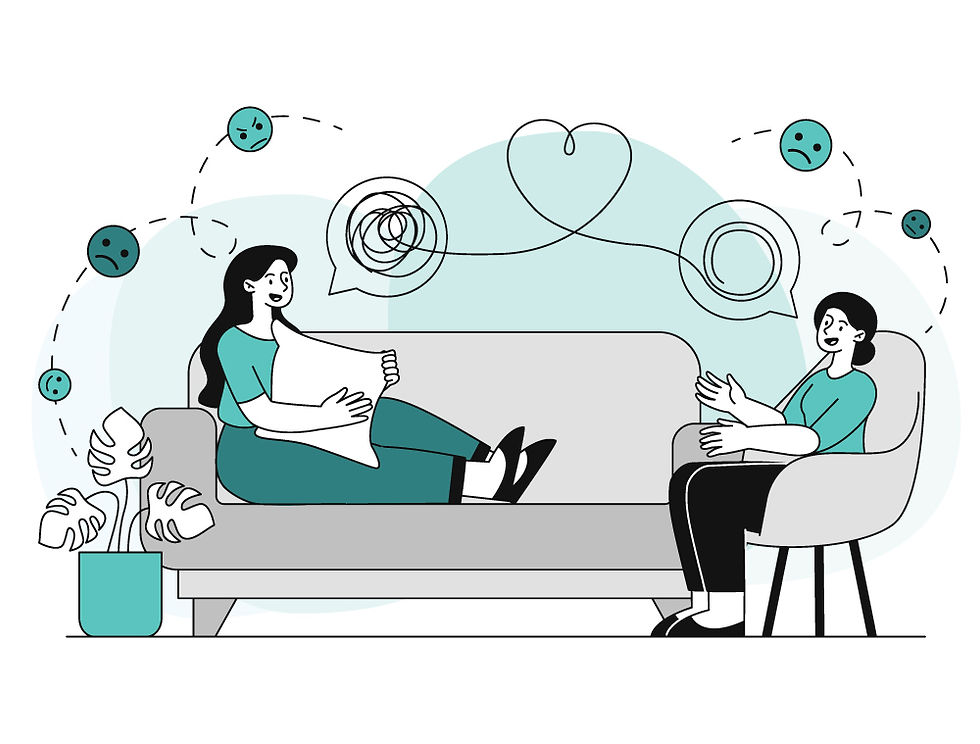
Therapy gives us a space within which to examine various elements of our outlook and experiences and assess how they are impacting us. If we identify something that is having a negative impact, therapy provides an environment where we can begin to intentionally and incrementally implement change.
You do not need to be in crisis to talk to someone. Men often downplay their personal problems, whether as a defence mechanism or to prioritize the needs of others. But ignoring them will just let them fester and worsen, and affect you in new and unpredictable ways.
Talk to a friend. Talk to a loved one. Talk to a professional. But please, just talk.
References
Cameron, M., Botkin, T. (Hosts). (Jun 17, 2026). Why Canada's Health Minister, a Woman, Decided Men's Health Is Her Duty [Audio podcast]. In Don’t Change Much. Omny Studio. https://omny.fm/shows/dont-change-much/why-canadas-health-minister-a-woman-decided-mens-health-is-her-duty
Men’s Health Foundation. (2025). 2025 men’s mental health research. https://menshealthfoundation.ca/research/2025-mens-mental-health-research/
Nordin, T., Degerstedt, F., & Granholm Valmari, E. (2024). A scoping review of masculinity norms and their interplay with loneliness and social connectedness among men in Western societies. American Journal of Men's Health, 18(6). https://doi.org/10.1177/15579883241304585
Public Health Agency of Canada. (2025, January 28). Suicide mortality in Canada. Government of Canada. https://health-infobase.canada.ca/mental-health/suicide-self-harm/suicide-mortality.html
Statistics Canada. (2025). Table 17-10-0005-01: Population estimates on July 1, by age and gender. Government of Canada. https://www150.statcan.gc.ca/t1/tbl1/en/tv.action?pid=1710000501
Ready to start your journey?
Explore our therapists and find your perfect match today!


Comments